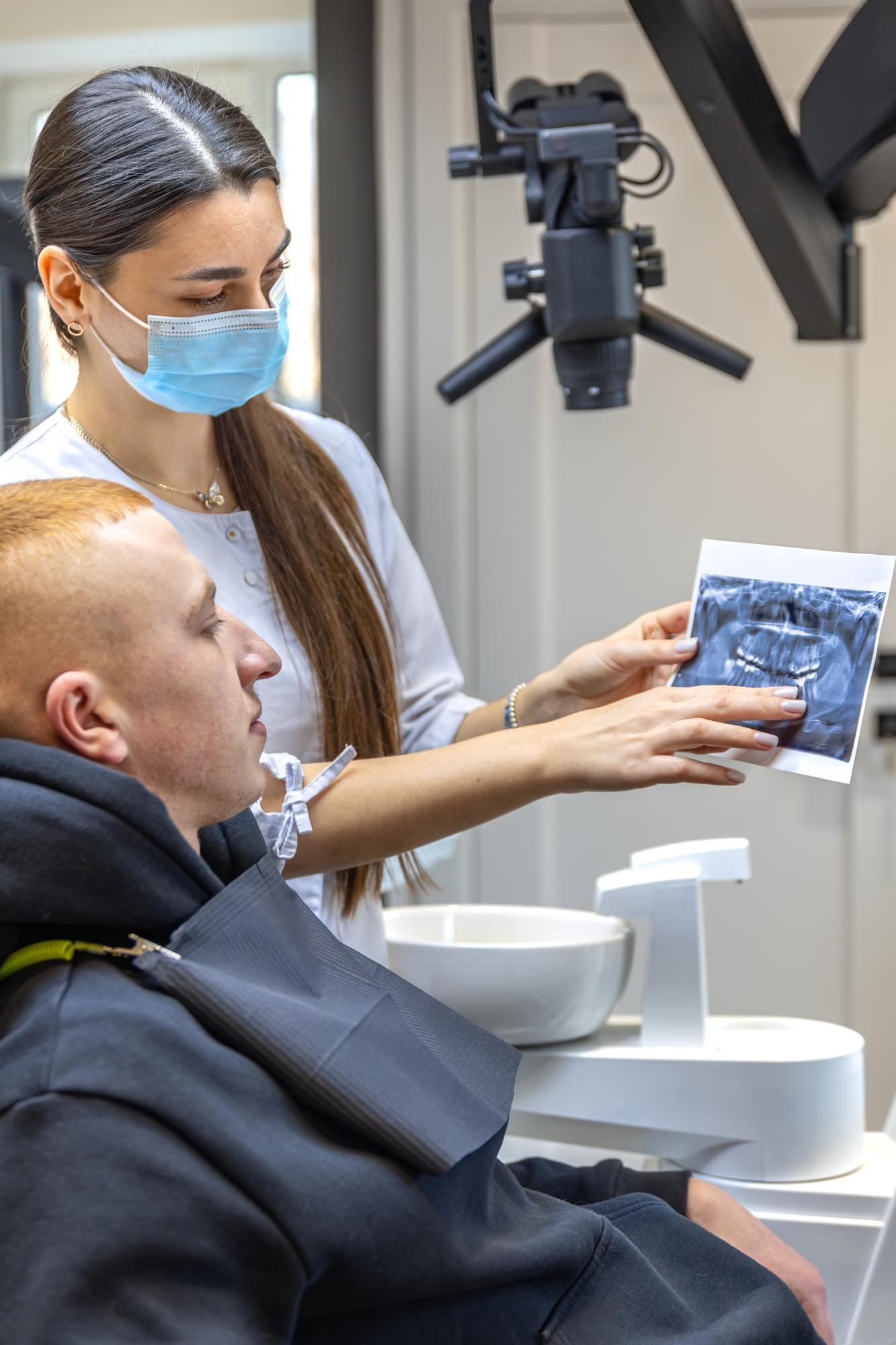
Guided Dental Implant Surgery
Have questions about this treatment? We believe in informed decisions. Below you'll find answers to the most commonly asked questions about this service, covering everything from the procedure to recovery and results.
Guided implant surgery uses CBCT imaging and digital treatment planning software to create a precise surgical guide that directs implant placement to the exact predetermined position, angle, and depth.
Dr. Kim performs a 3D scan of your jaw, plans the implant position digitally, and fabricates a custom surgical guide. During surgery, the guide ensures the implant is placed with sub-millimeter accuracy.
Guided surgery reduces surgical time, minimizes trauma to surrounding tissue, improves long-term implant success rates, and allows for more predictable aesthetic and functional outcomes.
Everything You Need to Know
Common Questions About This Treatment
What is the difference between guided and freehand implant surgery?
Guided surgery uses a custom-fabricated template based on your 3D scan to position the implant precisely. Freehand placement relies on the surgeon's judgment alone. Guided techniques offer greater accuracy and predictability.
What is the typical experience like?
Guided surgery uses a custom-fabricated surgical guide based on your 3D imaging. The guide directs implant placement to the exact predetermined position for optimal aesthetics and function.
How long does it usually take?
Guided implant surgery often takes less time than traditional placement due to precise pre-planning. The actual surgery typically takes 30-60 minutes per implant, with less trauma to surrounding tissues.
What should I know about recovery after?
Recovery is typically faster and more comfortable than traditional implant surgery due to the minimally invasive nature of the guided approach. Most patients experience less swelling and return to normal activities sooner.