Pulp Therapy
Have questions about this treatment? We believe in informed decisions. Below you'll find answers to the most commonly asked questions about this service, covering everything from the procedure to recovery and results.
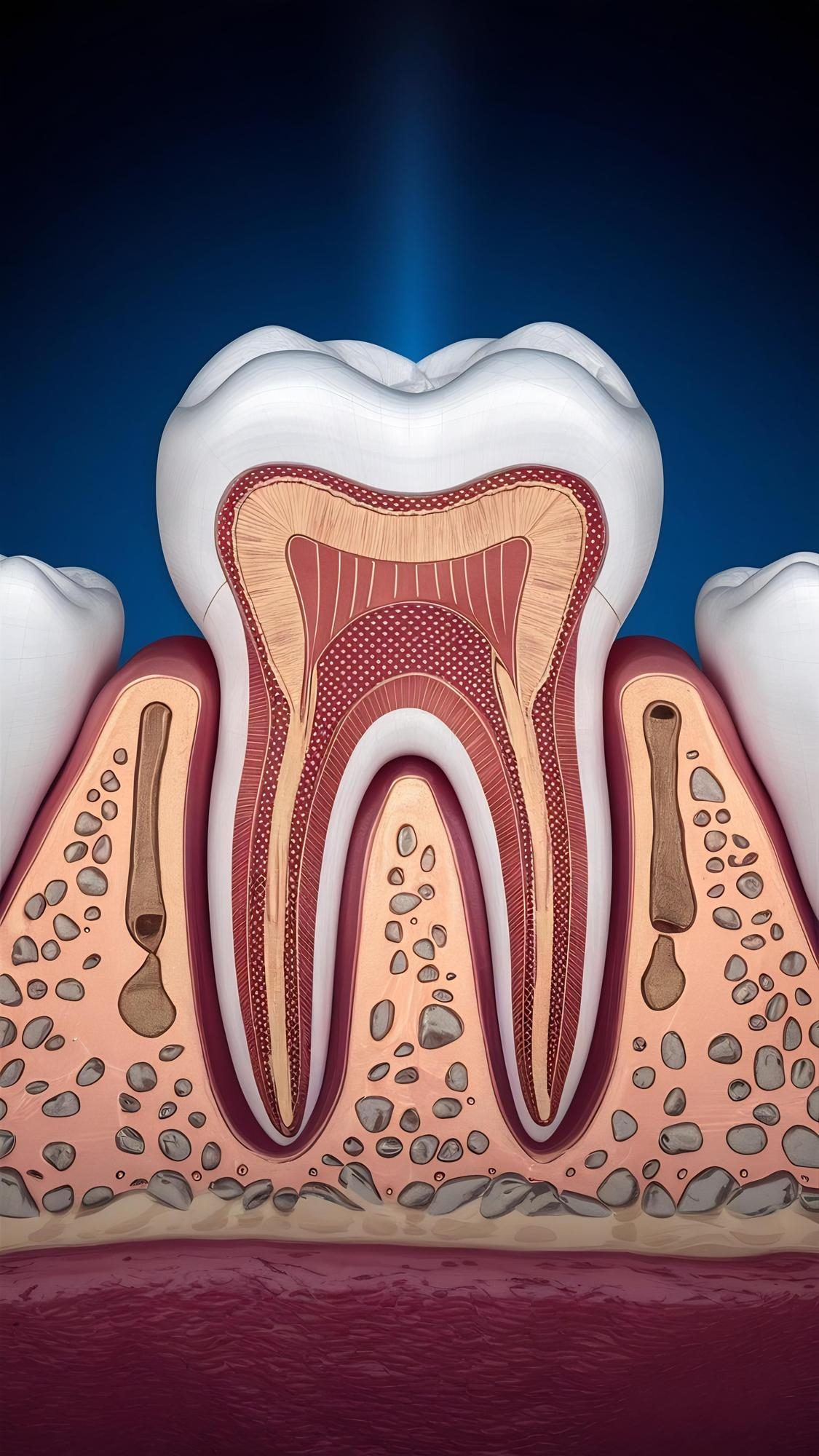
Pulp therapy includes indirect and direct pulp capping procedures that protect exposed or compromised pulp tissue and encourage healing when decay is deep but the pulp is still vital.
Dr. Kim removes decay and evaluates the pulp condition. A biocompatible material is placed over or near the exposed pulp to protect it and stimulate the tooth's natural repair response before sealing the tooth.
Pulp therapy preserves the vitality of the tooth by intervening before infection requires full pulp removal. It is a conservative first step that can extend the life of the tooth and delay or prevent the need for a root canal.
Everything You Need to Know
Common Questions About This Treatment
Who needs pulp therapy instead of a root canal?
Pulp therapy is most appropriate when decay is deep but the pulp is still responding normally and shows no signs of irreversible damage. Dr. Kim will evaluate the tooth clinically and with X-rays to determine the best course of action.
What is the typical experience like?
Root canal retreatment involves accessing the previous restoration, removing old filling material, cleaning the canals thoroughly, and resealing the tooth. A crown is typically recommended afterward to protect the retreated tooth.
How long does it usually take?
Retreatment typically takes 1-2 visits and may take longer than the original root canal due to the complexity of removing previous materials. A crown placement usually follows 2-3 weeks later.
What should I know about recovery after?
Some mild discomfort for 2-3 days is normal as inflammation subsides. Most patients manage discomfort with over-the-counter medications. Follow-up visits ensure the retreatment is healing properly.