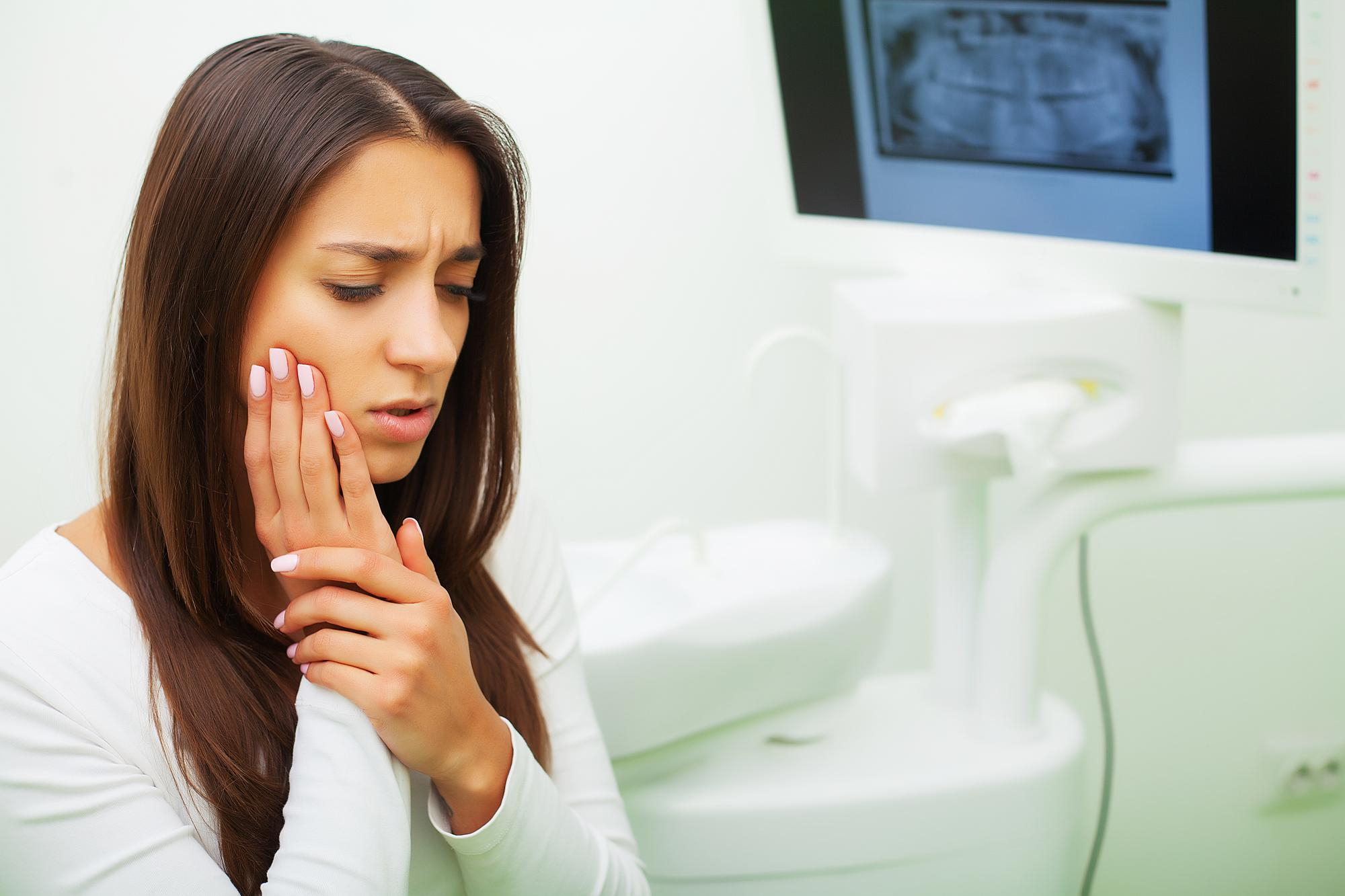
TMJ Disorder (TMJD) Treatment
Have questions about this treatment? We believe in informed decisions. Below you'll find answers to the most commonly asked questions about this service, covering everything from the procedure to recovery and results.
Temporomandibular joint disorder affects the jaw joint and surrounding muscles, causing pain, clicking, headaches, and limited jaw movement. We offer a range of evidence-based treatments tailored to each patient's presentation.
Your jaw range of motion, muscle tenderness, bite relationship, and joint sounds are evaluated. A personalized treatment plan is developed based on your specific presentation and may include appliance therapy, Botox, or bite adjustments.
Effective TMJ treatment reduces jaw pain, eliminates chronic headaches, protects teeth from wear, and improves sleep quality. Many patients experience significant relief within weeks of beginning treatment.
Everything You Need to Know
Common Questions About This Treatment
Who might consider this treatment?
Patients experiencing jaw pain, chronic headaches, teeth grinding, or jaw clicking and popping sounds. Also recommended for those with worn teeth from clenching or bruxism-related sleep disruption.
What is the typical experience like?
A comprehensive jaw evaluation is conducted including range of motion testing and muscle palpation. Treatment may involve custom appliances, Botox injections, or bite adjustments based on your specific presentation and symptoms.
How long does it usually take?
Initial improvement often occurs within 2-4 weeks of starting treatment. Custom appliance fabrication takes 1-2 weeks, while Botox effects develop over 3-7 days and last 3-6 months.
What should I know about recovery after?
Most TMJ treatments require no downtime. Botox patients may experience mild tenderness at injection sites for 1-2 days. Appliance therapy typically shows gradual improvement without any recovery period needed.